Data center scheduling: the job isn't done until Level 5 passes
On a data center the building is the easy part. How to schedule commissioning loops, permanent power, long-lead gear and float so the delay shows up before it lands.
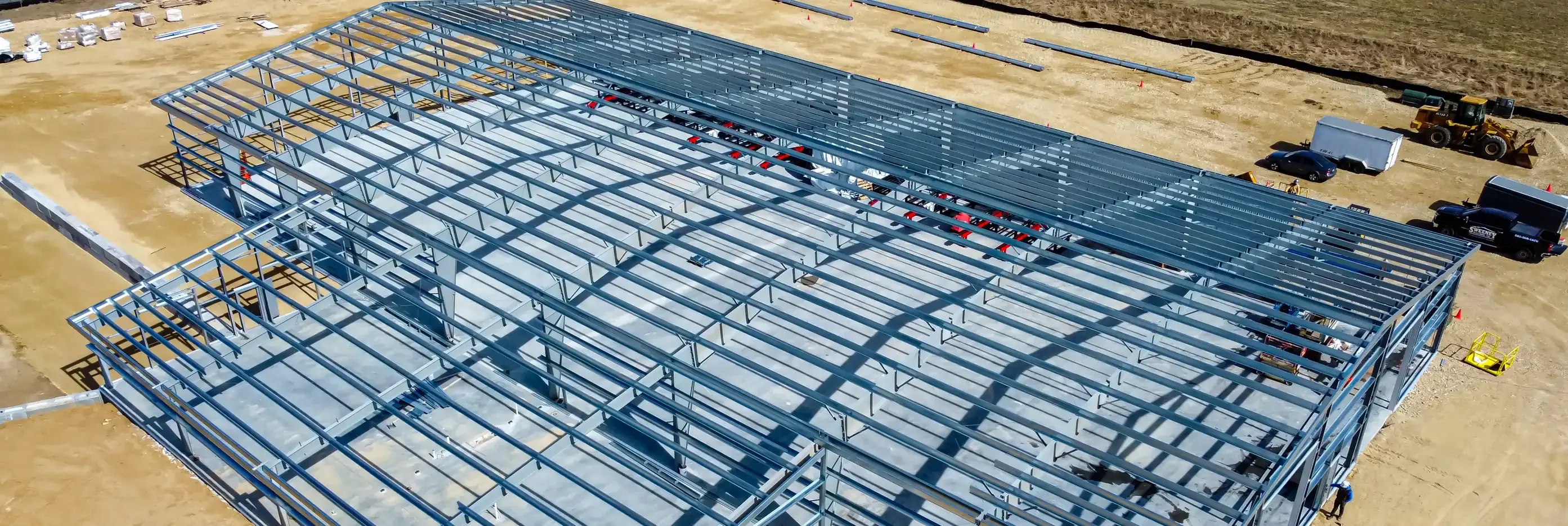
On a data center the building is the easy part. How to schedule commissioning loops, permanent power, long-lead gear and float so the delay shows up before it lands.
Ten questions a GC precon team should answer before carrying a data center number: owner gear, redundancy, commissioning, liquid cooling, schedule and subs.

On data center MEP packages the subs are choosing their GCs too. Why coverage means crews at the peak, not names on a list, and how to level with two bids.
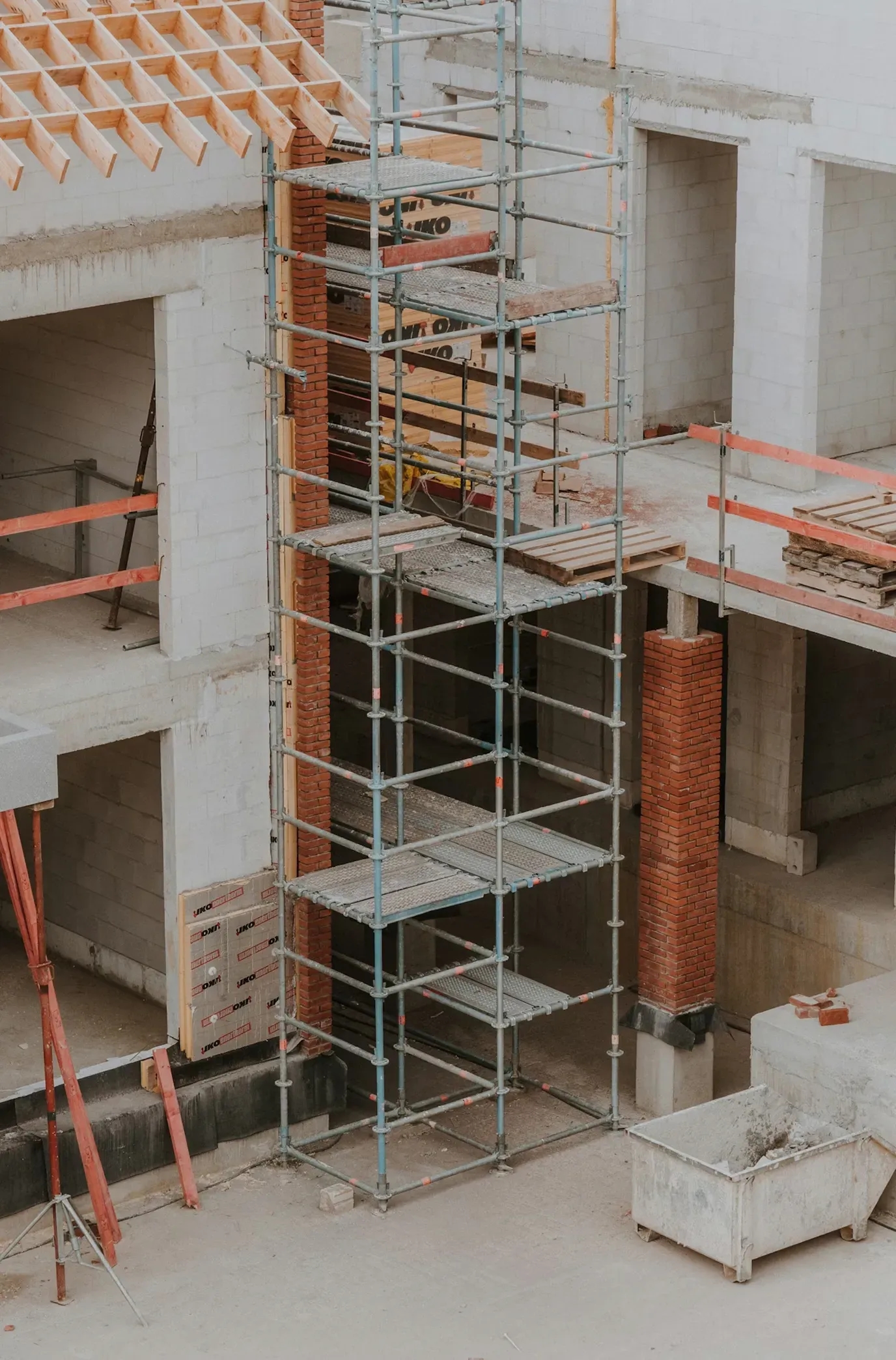
On a data center one procurement date drives escalation, storage, general conditions and damages. Why precon should price schedule and cost as one risk.
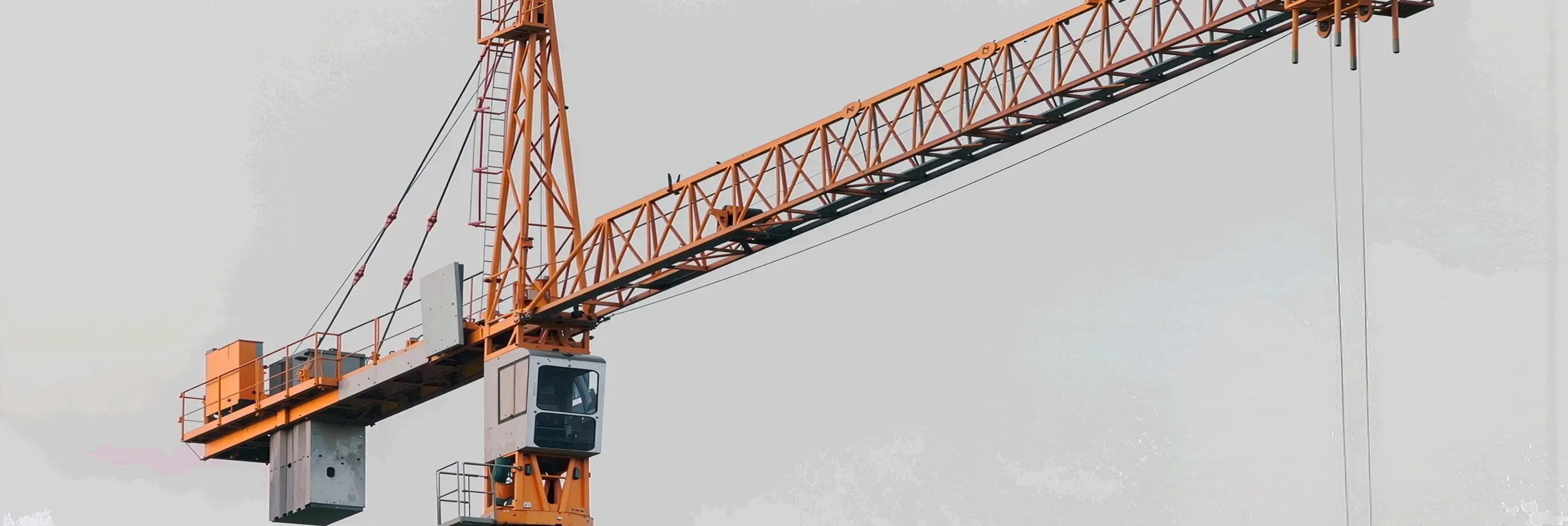
On a data center the risk leaves the building and moves into owner-furnished gear, commissioning, and a schedule set by power. What changes for GC precon.
On an OFCI data center, an electrical bid prices custody steps, not gear. How to level each owner-furnished item from receiving to integrated testing.
Liquid cooling adds three loops and three owners. The gap sits between facility water, the CDU and the rack: hoses, valves, flushing, fluid and leak detection.
Data center commissioning is priced scope: crews, load banks, fuel, OEM support and re-tests at every level. How to carry it before sub bids leave it out.
The gap between the plumbing bid and the site utility bid is rarely a missing item. It is the same pipe on two sets, priced by two subs reading different sheets.
Sprinkler is usually delegated design, so at bid time the design does not exist yet. What a proposal is really telling you is which assumptions it priced.
Sealed public work has no negotiation after opening, so an uncovered scope is yours. What leveling must settle before the bid, and what the file proves later.
Most pilots run on a frozen sample package, the one condition that cannot test what actually matters. What to put in front of these tools, and what to ask.