
Article7 min
Old way vs. agentic structured review: you still read every page
You still read every page. The difference is what happens to the line you would have missed, and whether that miss stays luck or becomes a flagged finding.

Resources
Guides, research and playbooks for general contractors' preconstruction and estimating teams working through takeoff, scope, bids, risk, project documents and final review.
Browse guides and practical preconstruction playbooks.
Search resourcesYou still read every page. The difference is what happens to the line you would have missed, and whether that miss stays luck or becomes a flagged finding.
When unverified history and deadline pressure turn uncertainty into fear, estimators bury contingency in unit rates. Make uncertainty visible before stacked allowances distort the bid.

When actual field productivity, material costs, and verified assumptions never return to estimating, teams bid blind: padding unit rates, burying contingency, and watching win rates stall. Closing the loop turns history into precon confidence.
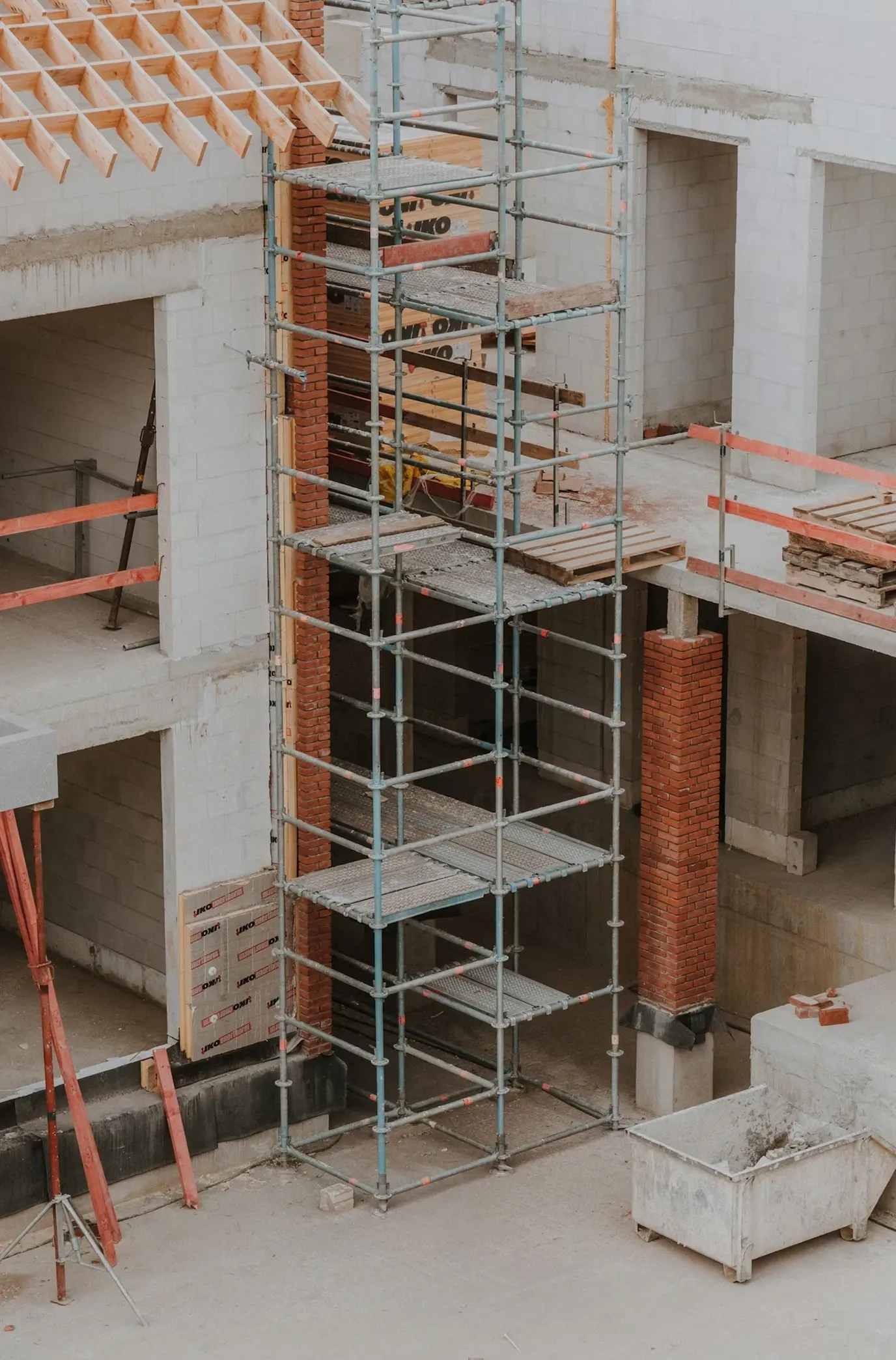
Reading between the drawings means pricing implied design intent (trade interfaces, structural supports, and constructability) when the documents are still incomplete. That skill separates quantity extraction from real risk mitigation.
Preconstruction is not arithmetic on drawings. It is turning uncertainty into binding commitments, and the estimate is the output of thousands of risk judgments.
When prior scope, quantities and decisions cannot be reused, the next bid repeats work the company has already done. What that actually costs, where the knowledge leaks, and what a system that keeps it looks like.

Manual quote comparison hides exclusions, scope gaps, and carry risk. Here is where the hours actually go before judgment even starts, and how to measure it on your own projects.
Piper removes manual review from the critical path and brings project data, company knowledge, and expert checks into every preconstruction decision and workflow
Bring a current or completed project and see how Piper saves review time, surfaces scope gaps, and applies your company's knowledge.